

Case Background: A Pet Gate and Workers’ Compensation
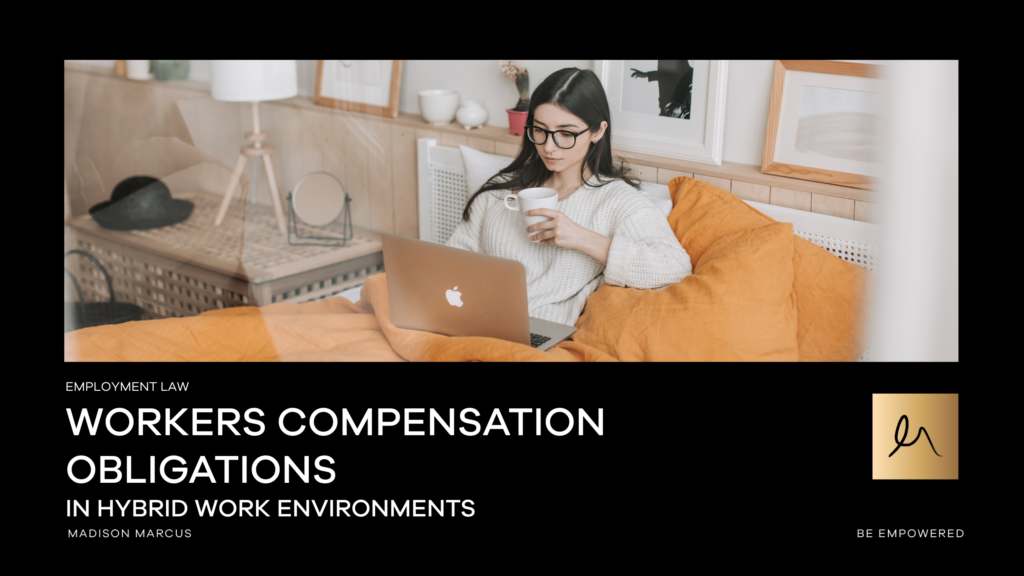
On 19 Sept 2022, Ms Vercoe injured herself, tripping over a metal pet fence during a break while working from home. She had set it up as a barrier to the sunroom she used as her home office.
The gate was outside her workspace, but she claimed that the injury occurred “in the course of employment” during a reasonable break. She claimed her work-from-home environment directly caused her injury and filed a workers’ compensation claim.
Case Ruling
The workers compensation insurer rejected Ms Vercoe’s claim. She alleged that the fall caused injuries to her right shoulder and knee.
The insurer argued that her employment was not a significant contributing cause of the injuries. Magistrate Carrel ADP heard the claim and found in favour of Ms Vercoe, stating the following:
“… Ms Vercoe deposed that throughout her employment, the Council had encouraged her to get up from her desk regularly and this remained the case with flexible working arrangements. Ms Vercoe annexed a screenshot of a council video on the topic and deposed that the video included encouragement to “take regular breaks”, “get out in the sunshine” and “enjoy time with the dog”.
The Tribunal ruled her home, as an extension of her workplace and the break as an “authorised paid coffee break”.
While these findings are not novel or unexpected, the case brings important questions to the forefront. Employers across Australia must consider their responsibilities in remote work setups, particularly under the NES and state workplace safety regulations.
The NES and Flexible Working Obligations
Under the NES, employers have certain obligations regarding flexible work arrangements.
Part 2-2 of the Fair Work Act³ covers the NES. Division 4 deals with Requests for flexible working arrangements.
Section 65 allows employees with at least 12 months of continuous service to request flexible working arrangements, including working from home. Employers are required to assess these requests reasonably and can refuse such a request on “reasonable business grounds.” There are key factors to consider in evaluating such requests:
- Impact on Operational Requirements: Employers are entitled to consider how remote work might affect their ability to meet business objectives. For example, if physical presence is crucial for productivity, collaboration, or customer interaction, this may provide reasonable grounds for refusal. Employers must balance the nature of the role with operational needs.
- Cost and Practicality: Consideration should be given to any financial or operational burdens associated with the request. If the arrangement imposes undue costs on the business (e.g., for equipment, technology, or supervision adaptations), this could justify a refusal.
- Workplace Health and Safety (WHS) Obligations: Employers are responsible for ensuring a safe work environment, even at an employee’s home. This includes assessing whether the home office setup complies with WHS standards and whether hazards can be managed remotely.
- Impact on Colleagues and Workflow: A request that affects team dynamics, resource allocation, or causes workflow delays may reasonably be refused. If an employee’s remote work disrupts others or shifts their responsibilities unduly, this is a factor for consideration.
- Ability to Supervise and Support: For some roles, effective oversight is essential, and remote work may limit an employer’s ability to monitor performance or provide adequate support. Employers should consider whether they can maintain reasonable oversight through virtual tools or periodic office days.
- Feasibility of Work from Home: Not all roles are suited to remote arrangements. Employers should evaluate the nature of the role and if tasks can be performed independently and without direct supervision, especially for jobs involving sensitive or confidential information.
- Employee’s Personal Circumstances: While not mandatory, many employers also consider the personal circumstances behind the request (e.g., caring responsibilities or health concerns). Employers can work with employees to find mutually beneficial solutions, like hybrid arrangements.
- Reasonableness of Refusal Grounds: According to the Fair Work Act, any refusal must be based on valid business grounds. Examples of reasonable grounds include if the arrangement would reduce efficiency, impact customer service, or require other employees to bear an excessive workload.
Vercoe’s case demonstrates that flexible working arrangements add extra responsibility. Employers must ensure that home workplaces meet occupational health and safety (OH&S) standards.
Key Obligations under the NES and OH&S
- Duty of Care: Employers have a legal duty of care to all employees, regardless of whether they work in the office or from home. This includes taking all reasonably practicable steps to provide a safe work environment.
- OH&S Compliance: SafeWork NSW and similar authorities require employers to assess the home workplace for potential hazards, train employees on safe work practices, and ensure that the remote working conditions meet basic safety standards.
- Regular Reviews: Flexible arrangements should be reviewed periodically to assess any new risks and to evaluate the effectiveness of safety measures in the home workplace.
Steps Employers Can Take to Ensure Home Workplace Safety
Employers can mitigate risks in remote work settings to ensure safe and compliant home workspaces for employees. Some recommended practices include:
- Workplace Health and Safety Assessments: The employer should consider conducting regular remote workplace assessments or provide self-assessment tools for employees. This can include a checklist for identifying hazards, such as cluttered spaces, trip hazards like pet gates or loose cables, and ergonomic setups.
- Guidance and Training on Home Safety: Provide clear guidelines on setting up a safe home workspace. This could cover ergonomic desk arrangements, adequate lighting, electrical safety, and advice on managing household hazards.
- Regular Check-Ins: Schedule regular check-ins with remote employees to discuss their working conditions. This helps identify potential hazards and provides an opportunity to make adjustments before issues arise.
- Encouraging Break Management: Implement policies on safe break practices to prevent injuries. Employers can encourage employees to be mindful of surroundings and to clear pathways that they may frequently use during breaks.
- Providing Equipment and Resources: Employers might consider providing necessary work equipment, such as ergonomic chairs, screens, or cable organisers, to enhance safety at home. If feasible, they could also offer home office audits or setup guidance.
The Case for Returning to the Office
Cases like this illustrate potential liability involved in remote work and flexible working arrangements. It highlights re-evaluating remote work arrangements and considering a return to the office to better manage OH&S responsibilities.
An office return mandate must carefully consider employee expectations, business needs, and flexible work provisions under the NES. Mandating a full return to the office could impact employee satisfaction, retention, and productivity, requiring a nuanced approach.
Implications for Employers in NSW
This South Australian decision underscores the broader responsibilities facing employers across Australia, including in NSW. NSW has strict OH&S requirements, reinforcing the need for employers to proactively approach addressing workplace safety for remote employees. Key considerations for NSW employers include:
- Clear Remote Work Policies: Develop and implement a comprehensive remote work policy that addresses OH&S obligations, hazard identification, and regular risk assessments.
- Training on Remote Work Safety: Providing employees with training on safe work practices in their home environment is essential to ensure compliance with SafeWork NSW standards.
- Revisiting Workers’ Compensation Coverage: Employers should review their workers’ compensation policies to ensure coverage adequately extends to remote work injuries, even those that occur during breaks. This may involve consulting with insurers to understand coverage boundaries and limitations.
Conclusion
This South Australian case urges NSW employers to review their Flexible Working Arrangements and address remote work OH&S obligations.
Managing home-based injuries is more complex than office incidents, but employers can reduce risk with proactive policies and best practices. While this case may prompt office returns, the real takeaway is creating safe, well-defined, and supported remote work environments.
With flexible work likely here to stay, employers must balance employee autonomy with safety in an expanded workplace.
¹ Fair Work Commission, National Employment Standards, available at https://www.fwc.gov.au/work-conditions/minimum-wages-and-conditions/national-employment-standards
² Vercoe v Local Government Association Workers Compensation Scheme [2024] SAET 91, available at https://www.austlii.edu.au/cgi-bin/viewdoc/au/cases/sa/SAET/2024/91.html
³ Fair Work Act 2009 (Cth), available at https://www.legislation.gov.au/C2009A00028/2017-09-20/text